

Patrick Radden Keefe, author of Empire of Pain and Say Nothing joined us for our 2025/26 season of Portland Arts & Lectures on April 23, 2026.
We like to ask all of our Portland Arts & Lectures guests to share their reading recommendations with our audience. Here is what Keefe had to share:
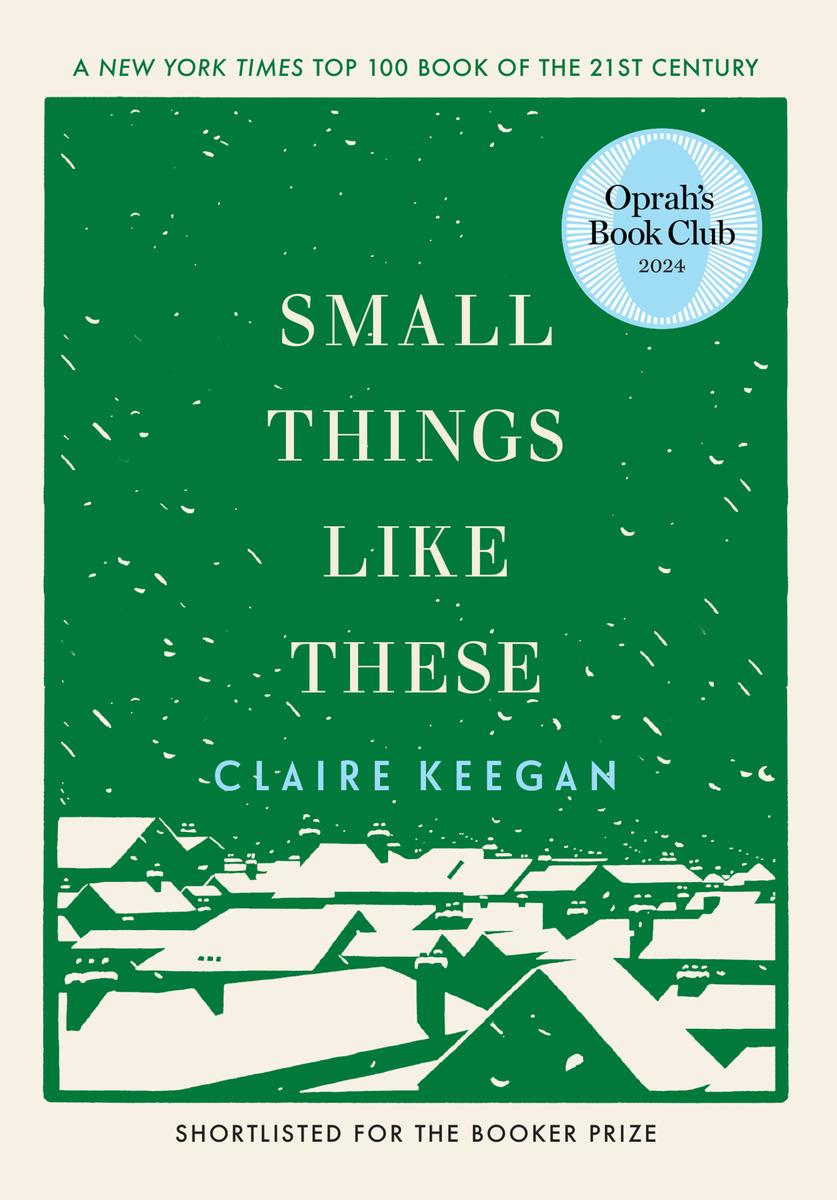
Small Things Like These by Claire Keegan
It is 1985 in a small Irish town. During the weeks leading up to Christmas, Bill Furlong, a coal merchant and family man faces into his busiest season. Early one morning, while delivering an order to the local convent, Bill makes a discovery which forces him to confront both his past and the complicit silences of a town controlled by the church.
An international bestseller, Small Things Like These is a deeply affecting story of hope, quiet heroism, and empathy from one of our most critically lauded and iconic writers.
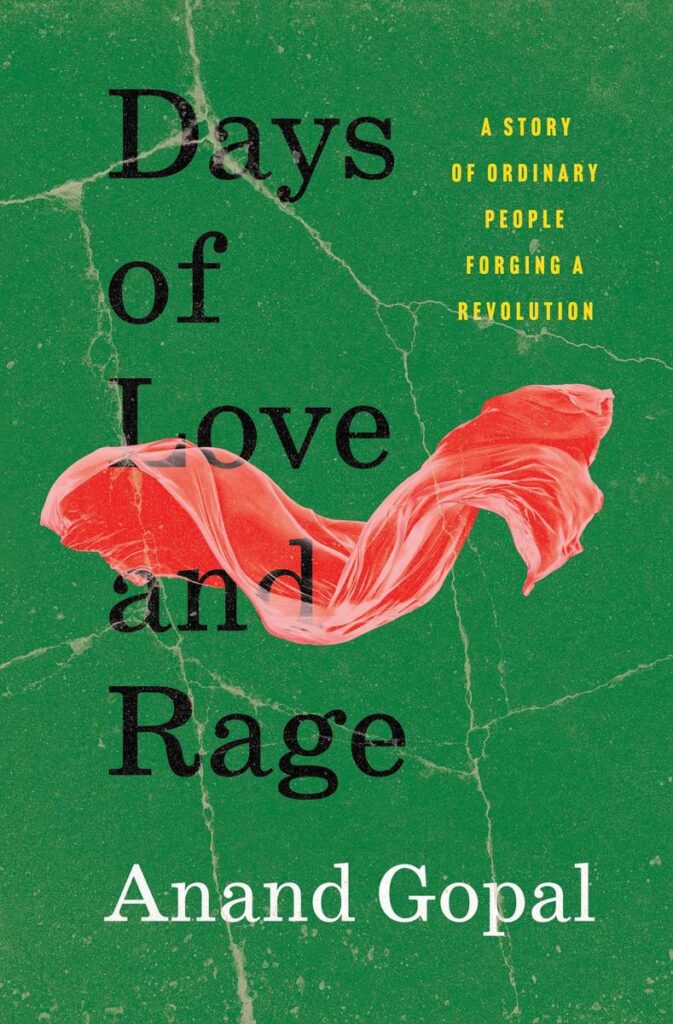
Days of Love and Rage by Anand Gopal
Anand Gopal immerses you in the world of a single city in the throes of revolution, and lays bare the danger that inequality poses to democracy. But this book transcends the particulars of one terrible conflict to tell the broader story of rising authoritarianism in our times. Days of Love and Rage has the force, sweep, and artistry of a great novel, and is ultimately a story of our enduring human need for dignity and hope.
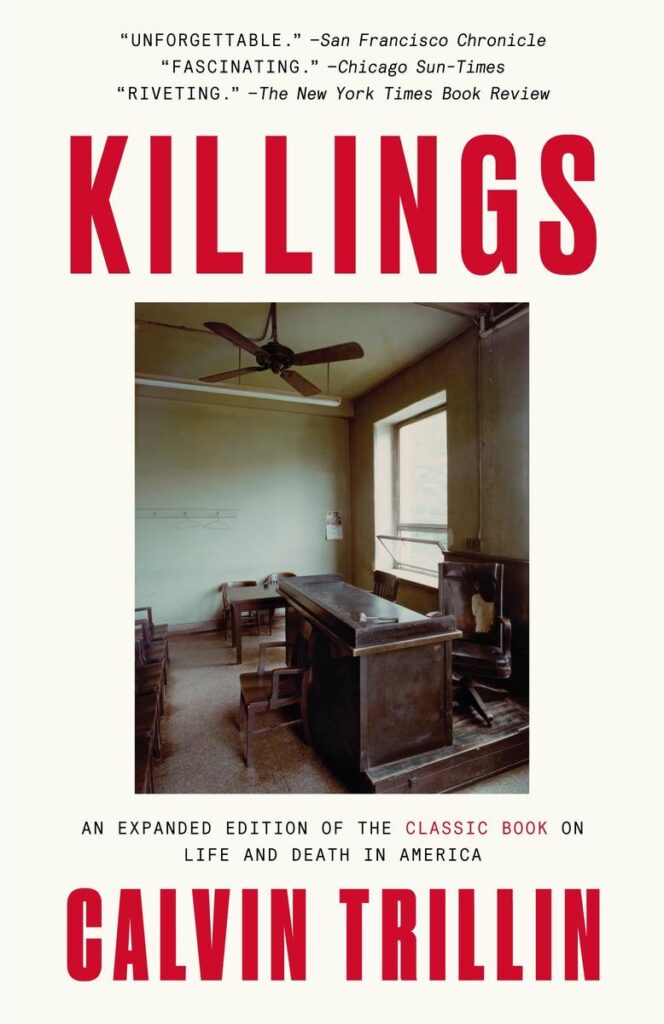
Killings by Calvin Trillin
These stories, which originally appeared in The New Yorker between 1969 and 2010, are vivid portraits of lives cut short. An upstanding farmer in Iowa finds himself drastically changed by a woman he meets in a cocktail lounge. An eccentric old man in Eastern Kentucky is enraged by the presence of a documentary filmmaker. Two women move to a bucolic Virginia county to find peace, only to end up at war over a shared road. Mexican American families in California hand down a feud from generation to generation. A high-living criminal-defense lawyer in Miami acquires any number of enemies capable of killing him.
Stark and compassionate, deeply observed and beautifully written, Killings is “that rarity, reportage as art” (William Geist, The New York Times Book Review).


