

Ayad Akhtar, author of American Dervish and The Radiance, joined us for our 2026-27 Portland Arts & Lectures on Wednesday, October 21, 2026.
We like to ask all of our Portland Arts & Lectures guests to share their reading recommendations with our audience. Here is what Akhtar had to share:
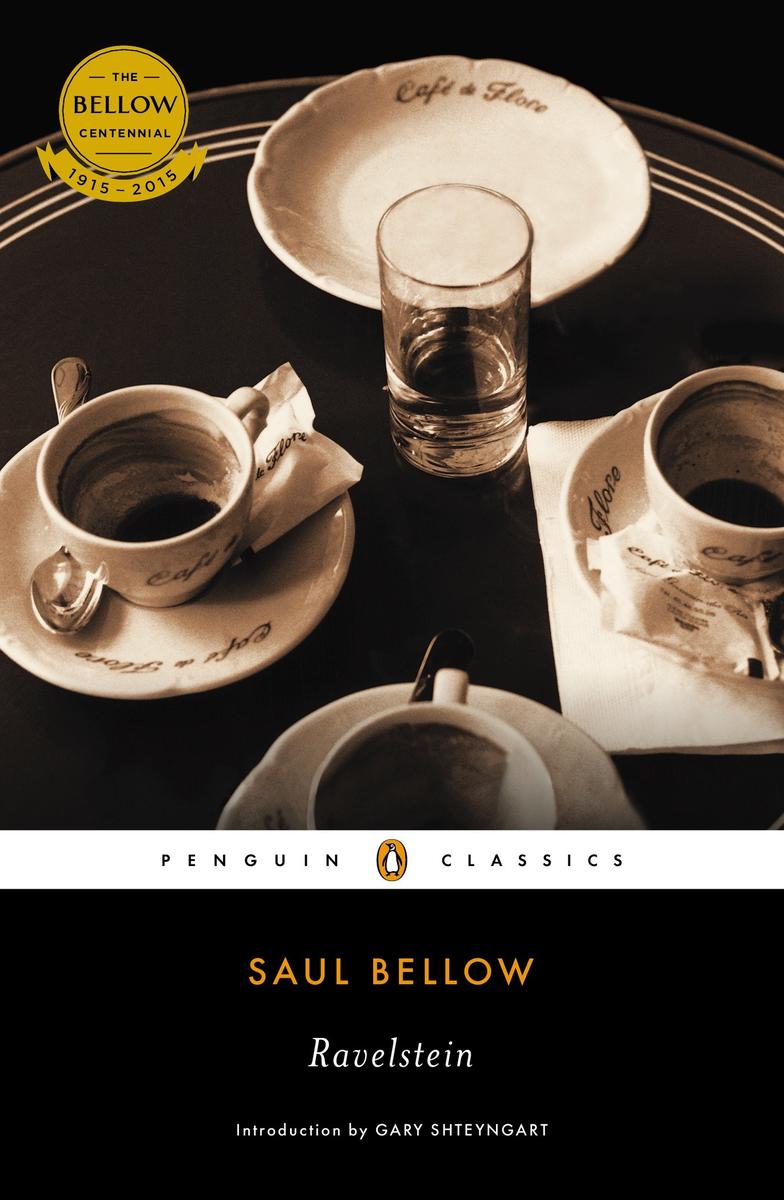
Ravelstein by Saul Bellow
This Penguin Classics edition commemorates the fifteenth anniversary of Viking’s first publication of Ravelstein. Featuring a new introduction by Gary Shteyngart, it is the final novel of Nobel Prize winner Saul Bellow and rounds out the entirety of his major works in Penguin Classics black spine.
Deeply insightful, Saul Bellow’s moving last novel is a journey through love and memory, an elegy to friendship, and a poignant meditation on death. Told in memoir form, it follows two university professors, one of whom is succumbing to AIDS, as they share thoughts on philosophy and history, loves and friends, mortality and art.
For more than seventy years, Penguin has been the leading publisher of classic literature in the English-speaking world. With more than 1,700 titles, Penguin Classics represents a global bookshelf of the best works throughout history and across genres and disciplines. Readers trust the series to provide authoritative texts enhanced by introductions and notes by distinguished scholars and contemporary authors, as well as up-to-date translations by award-winning translators.
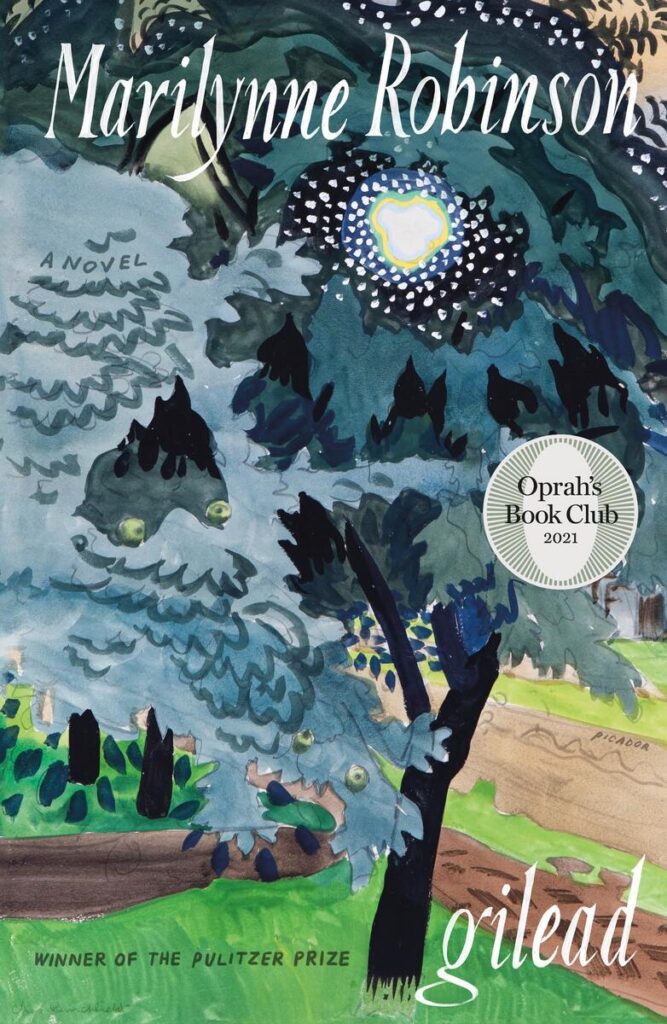
Gilead by Marilynne Robinson
Winner of the Pulitzer Prize and National Book Critics Circle Award, GILEAD is a hymn of praise and lamentation to the God-haunted existence that Reverend Ames loves passionately, and from which he will soon part.
In 1956, toward the end of Reverend John Ames’s life, he begins a letter to his young son, an account of himself and his forebears. Ames is the son of an Iowan preacher and the grandson of a minister who, as a young man in Maine, saw a vision of Christ bound in chains and came west to Kansas to fight for abolition: He “preached men into the Civil War,” then, at age fifty, became a chaplain in the Union Army, losing his right eye in battle.
Reverend Ames writes to his son about the tension between his father–an ardent pacifist–and his grandfather, whose pistol and bloody shirts, concealed in an army blanket, may be relics from the fight between the abolitionists and those settlers who wanted to vote Kansas into the union as a slave state. And he tells a story of the sacred bonds between fathers and sons, which are tested in his tender and strained relationship with his namesake, John Ames Boughton, his best friend’s wayward son.
This is also the tale of another remarkable vision–not a corporeal vision of God but the vision of life as a wondrously strange creation. It tells how wisdom was forged in Ames’s soul during his solitary life, and how history lives through generations, pervasively present even when betrayed and forgotten.
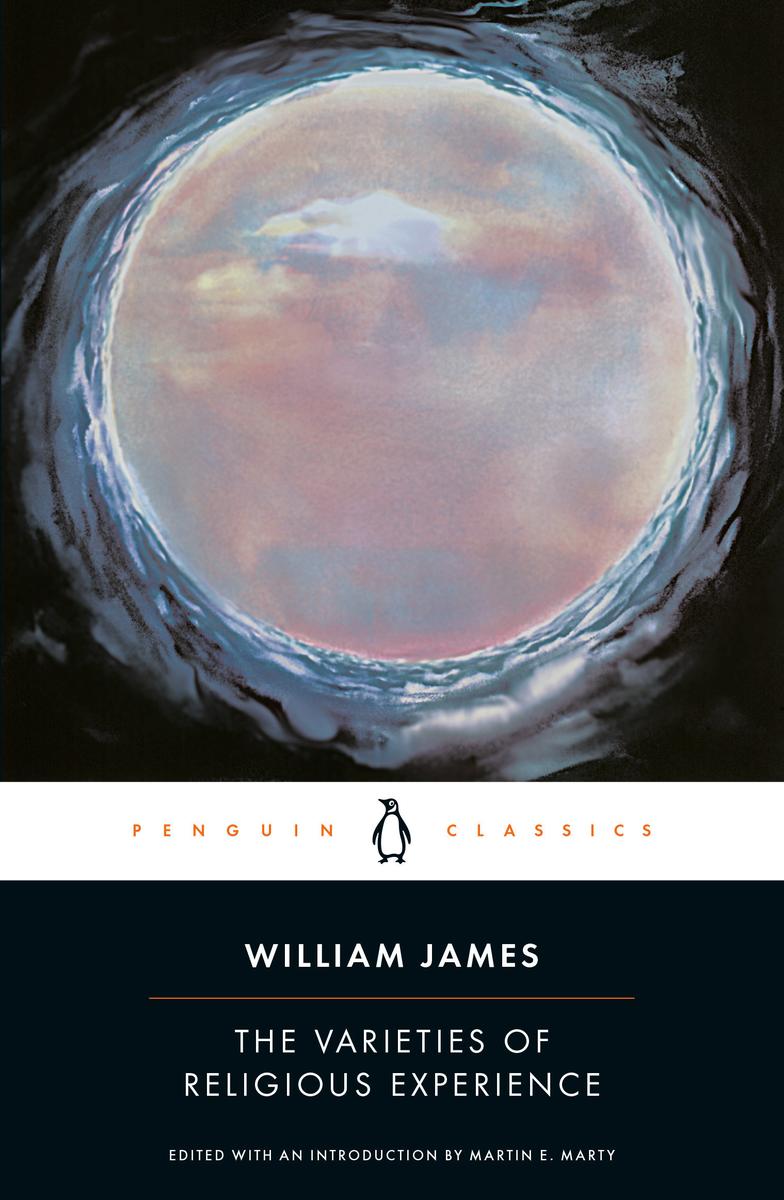
The Varieties of Religious Experience: A Study in Human Nature
by William James
Standing at the crossroads of psychology and religion, this catalyzing work applied the scientific method to a field abounding in abstract theory. William James believed that individual religious experiences, rather than the precepts of organized religions, were the backbone of the world’s religious life. His discussions of conversion, repentance, mysticism and saintliness, and his observations on actual, personal religious experiences – all support this thesis. In his introduction, Martin E. Marty discusses how James’s pluralistic view of religion led to his remarkable tolerance of extreme forms of religious behaviour, his challenging, highly original theories, and his welcome lack of pretension in all of his observations on the individual and the divine.


