


Nathaniel Hawthorne: Twice-Told Tales
$265
When Henry James came to write his short classic book on his predecessor Nathaniel Hawthorne (who was an important influence on James), he wrote, with tongue in cheek, a description of the cultural and social wasteland that an ambitious American writer faced in Hawthorne’s day in finding material for fiction:
No sovereign, no court,…no aristocracy, no church,…no army, no diplomatic service, no country gentlemen, no palaces, no castles, nor manors, nor old country-houses, nor parsonages, nor thatched cottages nor ivied ruins; no cathedrals, nor abbeys, nor little Norman churches; no great Universities nor public schools; no literature, no novels, no museums, no pictures, no political society, no sporting class…. Some such list as that might be drawn up of the absent things in American life, the effect of which,…upon an English or a French imagination, would probably as a general thing be appalling.
And yet Hawthorne, as James well knew, in his most memorable works created a brilliant array of imaginative fictions drawn from the riches of New England life—its legends, tall tales, landscapes, and history. Rather than being appalled, Hawthorne, as James well knew, in his most memorable works created a brilliant array of imaginative fictions drawn from the riches of New England life—its legends, tall tales, landscapes, and history
This Delve seminar will focus on Hawthorne’s short stories—among the most thrilling, strange, and memorable in the American canon. We will explore his first collection of stories, Twice-Told Tales (1837, 1851) as well as a small selection of extraordinary later stories.
Hawthorne worked his American materials in a diverse range of genres—horror, the gothic, romance, the fantastic, moral tales, allegory—and narrative subjects—ambiguities of love and loss, gender and sex, guilt, conflicts between authority and non-conformists, secrets, science and magic, modernity and tradition, past and present, shadows, and a repudiation of tyranny.
What marks all the works we will delve into during this seminar is mystery, ambiguity, thrills and chills, and a keen sense of the ways in which power seeks to dominate the individual. These characteristics alone make him our contemporary.
Writer and Hawthorne fan Rosemary Mahoney writes:
Whatever form they take, Twice-Told Tales, like salt and sugar on daily staples, are a kind of splendid seasoning, coaxing into acuteness the full, strange flavor of life…. Sit this evening by your brownest lamp and read these stories. If you find yourself unstirred, unengaged, un-creeped, then perhaps—and I propose this in the politest way possible—you should check your pulse.
Texts:
We will use the Modern Library Classics edition of Twice-Told Tales, with an introduction by Mahoney, plus a few stories from his other collections of short stories to be supplied in pdf. These will include the proto-feminist male-gaze horror story “The Birthmark.”
Access Program
We want our writing classes and seminars to be accessible to everyone, regardless of income and background. We understand that our tuition structure can present obstacles for some people. Our Access Program offers writing class and seminar tuitions at a reduced rate. Most writing classes have at least one access spot available.
Please apply here for access rate tuition. Contact Susan Moore at susan@literary-arts.org if you have questions.
Liaison position
Every in-person class and seminar at Literary Arts has one liaison position. Liaisons perform specific duties for each class meeting. If you are a liaison for a class or seminar, the full amount of your tuition is covered by Literary Arts.
Apply here for the liaison position.
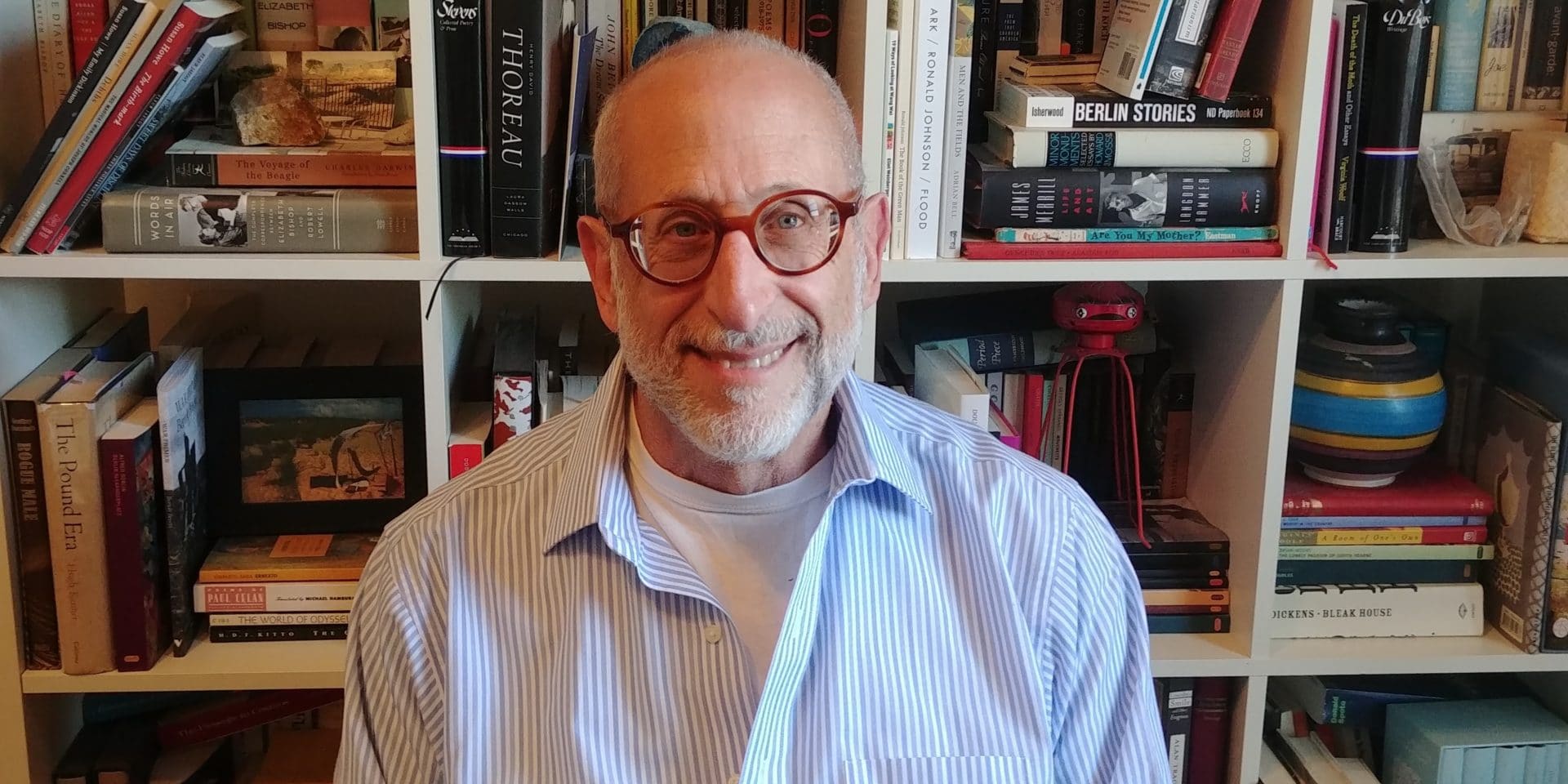
Bennett Gilbert
Bennett Gilbert teaches philosophy at the University of Portland and taught at Portland State University. He is the author of Power and Compassion: On Moral Force Ethics and Historical Change.
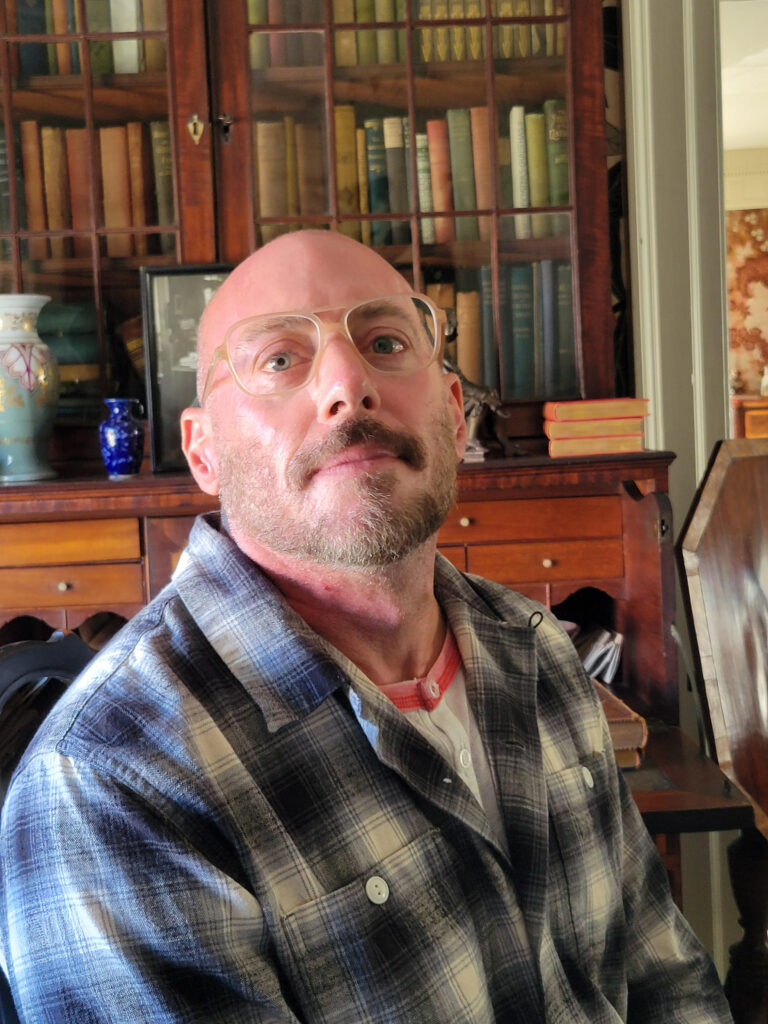
Damien Jack
Damien Jack is an editor, researcher, and writer living in Portland, Oregon. He worked for many years in publishing in New York, including for the estates of Vladimir Nabokov, Franz Kafka, and Jorge-Luis Borges. He is working on a book of literary criticism.


