

We’re thrilled to introduce the 2026 Oregon Literary Fellowship recipients with individual profile features on our blog. Out-of-state judges spent several months evaluating the 400+ applications we received, and selected eight writers and two publishers to receive grants of $4,000 each. Literary Arts also awarded two Oregon Literary Career Fellowships of $10,000 each. The 2026 Fellowship recipients were recognized at the 2026 Oregon Book Awards Ceremony on April 20 and a public reading event on June 29 at the Literary Arts Bookstore.
Follow along as we roll out profiles of this year’s Fellows throughout the summer to learn more about some of the most exciting writers at work today in Oregon. And if you feel inspired after reading, consider applying for a 2027 Oregon Literary Fellowship yourself—applications are now open and will close on August 7, 2026.
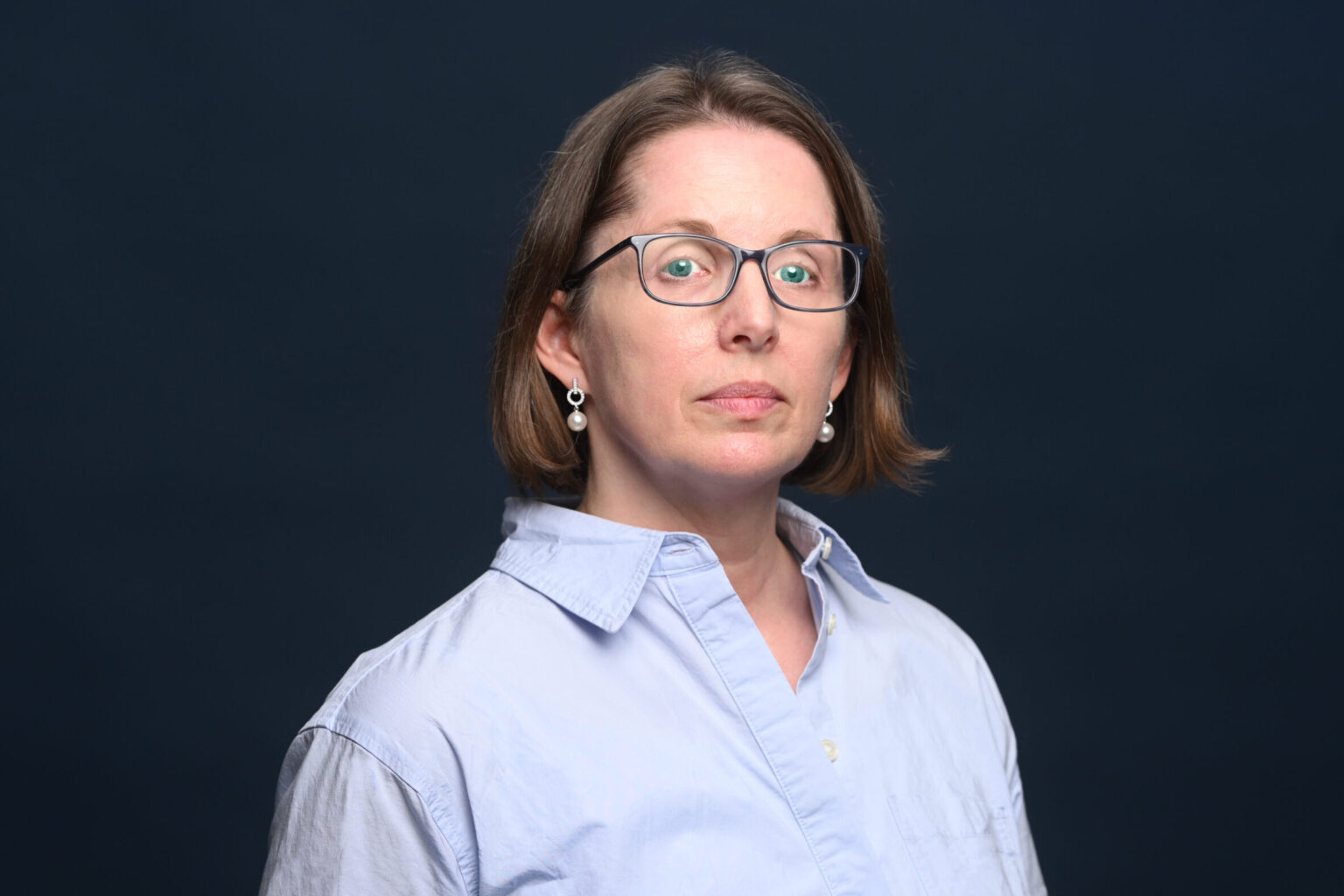
Amy Marcott is a 2026 Oregon Literary Fellow in Fiction and the recipient of a Laurell Swails and Donald Monroe Memorial Fellowship. Amy has published prose in Salt Hill, DIAGRAM, Necessary Fiction, Southeast Review, Memorious, Juked, The Nassau Review, The Best Travel Writing (Volume 11), and elsewhere. Her work has twice been nominated for a Pushcart Prize and won third place in Glimmer Train’s Very Short Fiction Contest. She earned her MFA from Penn State University. She lives in Portland, where she is at work on a novel.
Q & A WITH LITERARY ARTS
What excites you the most about receiving an Oregon Literary Fellowship?
The initial thrill was the validation that my novel revision is on the right track. Now that a few months have gone by, I’m excited by the opportunity to add myself to the collective voice of what is already an amazing literary scene in Oregon. And, I hope, to be just as generous and supportive as others have been to me.
How would you describe your writing process or creative practice?
I always aim to devote my most creative hours to my writing, which means getting up early and starting as soon as possible after waking, before anything else demands my focus. Ideally, I’ll be working through the blue hour, that magical border between night and not-night when my imagination feels most fueled by my subconscious. For those days when I’m not able to have this morning time, I still write something new, even if it’s just a sentence, to keep my project top of mind.
What authors or books have shaped you the most as a writer?
There are many, but in the interest of brevity, Joyce Carol Oates’ Because It Is Bitter and Because It Is My Heart had a profound impact on me as a young adult. I felt a kinship with the protagonist, and the prose offered such emotional clarity that I was sure it was written just for me. I knew that strong stories tapped into a universality of feelings, but this was the first time I truly understood how narratives could help you feel less alone. Oates managed to find beauty in tragic details and hope in the smallest of moments. I’ve been striving to create that psychological depth and resonance in my own work ever since.
Are there any Oregon writers you look to for motivation or inspiration?
I love the work of Karen Thompson Walker, especially the way she blends science and magical realism. She infuses her novels with a thread of the fantastic, just enough that her worlds are compelling and unreal but also strangely plausible. I still think about details and scenes from her first novel, The Age of Miracles, which I read in 2013. As luck would have it, her book, The Strange Case of Jane O. (which I also highly recommend), was nominated for an Oregon Book Award this year, and I got to meet her at one of the events. It was a true fangirl moment for me.
What writing projects are you working on right now?
I’m revising a novel called Afterthoughts that’s based on two confounding events from my childhood: my father’s affair with my mom’s best friend and the mysterious death of this woman’s husband, who I’m convinced was murdered though it was never investigated. The book rides a fine line between truth and fiction because that’s the best way I’ve found to understand how such crimes can go unrecognized and elicit justice where there is none. I also explore the repercussions this murder had on various lives, like the undoing of my family and my lifelong estrangement from my father. How we learn about love makes a difference. Afterthoughts examines what happens when those early lessons are imbued with duplicity and how we can find redemption speaking up amid a rising choir of indifference.
Do you have any advice for future applicants?
Put your heart on the page and truly want to win—authenticity and sincerity will come through. You may have applied for this fellowship in the past (I tried multiple times before I was selected), but don’t get discouraged or complacent. It’s an honor to have any sort of audience—not to mention having Literary Arts on your side. Fellowship recipients are given guidance, promotion, community—it’s a big deal. Be ready to be a part of all that.
WRITING SAMPLE EXCERPT
JUDGE’S CITATION
“Amy Marcott’s excellent work gets to the heart of family secrets—betrayal—and examines the damage that ripples out from unrendered justice. In a world of excess information, this is a story that needs to exist because it confronts complicity and reminds us that revisiting the closed chapter can be an act of extraordinary bravery.”
—Raghav Rao


